
















What Exactly Is Merge Rainbow Fighting?
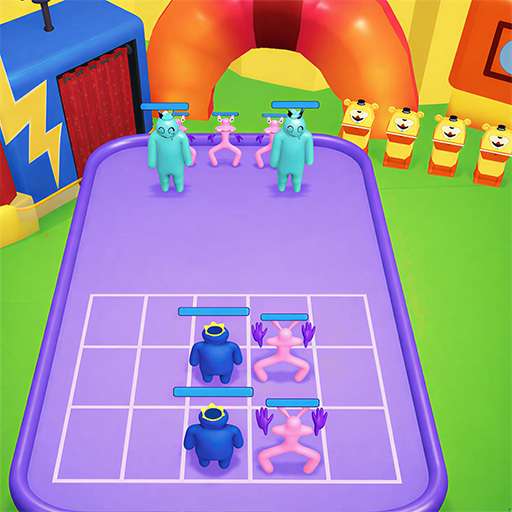
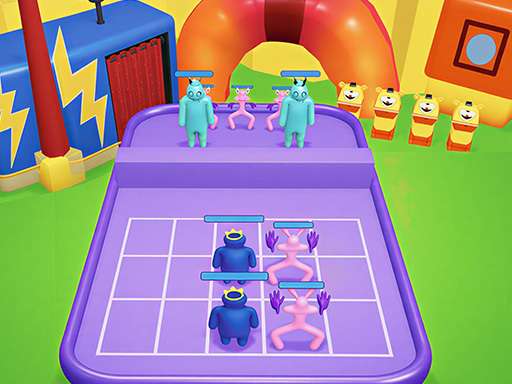
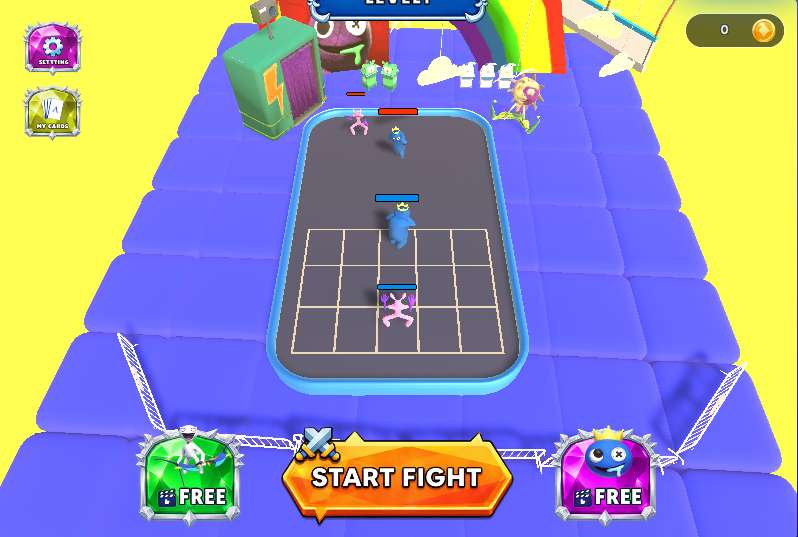
At first glance, Merge Rainbow Fighting looks like a simple puzzle game with bright characters and flashy battles. But there's a little more going on under the hood. You start with basic fighters, merge them to create stronger versions, and then send them into battle against waves of enemies. The rainbow theme is not just for show — each color tier represents a power level, and climbing that ladder is the whole point.
The game is essentially a merge puzzle wrapped in a casual battle wrapper. You click, drag, and combine. That's the core loop. But where it gets interesting is deciding when to merge and when to hold back.
How Merging Works (and Why It Matters)
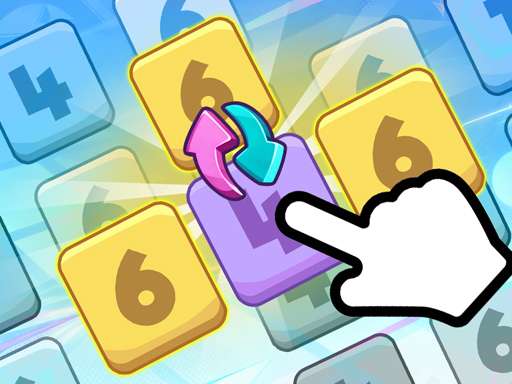
Every fighter on your board has a star rating or color indicator. Combining two identical fighters gives you one higher-tier fighter. Sounds straightforward, but the battlefield keeps sending new units, so your board fills up fast. If you merge too aggressively, you might end up with a few strong fighters and no backup. If you merge too slowly, you get overwhelmed.
The trick is to keep a balanced board. Don't merge everything the moment you can. Let weaker fighters sit on the field and absorb some damage while you build your stronger units in the back. Think of it like a conveyor belt — you want a steady flow of reinforcements, not a single super-soldier who gets surrounded.
Common Mistakes New Players Make
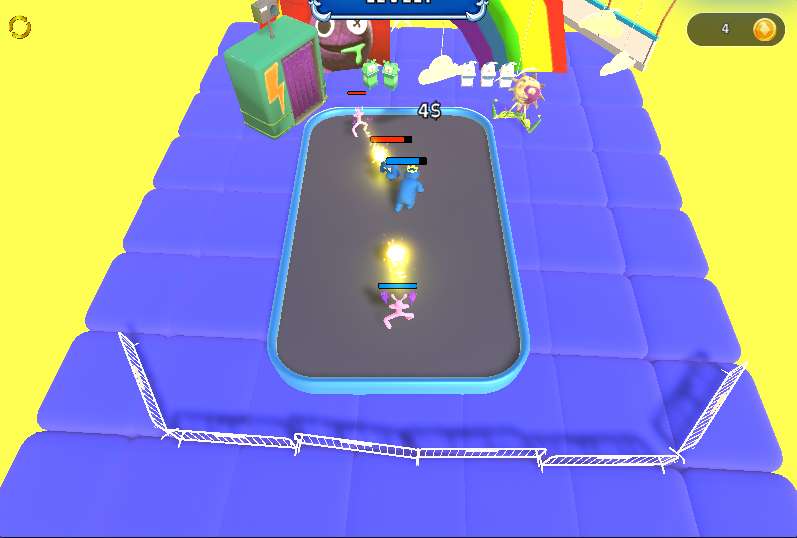
The most common error is rushing to merge the first two identical fighters you see. This often leaves gaps in your lineup, and enemies can slip through. Another mistake is ignoring the spawn order. Enemies come in waves, and the game gives you a brief moment to prepare. Use that time to shift fighters into defensive positions, not just to click merge frantically.
Also, don't hoard low-tier fighters forever. There's a balance. If you never merge, your army stays weak. But if you merge everything into one or two top-tier units, a single enemy can wipe them out and leave you with nothing. Spread your power across several mid-tier fighters before pushing for the top tier.
Practical Tips for Getting Better
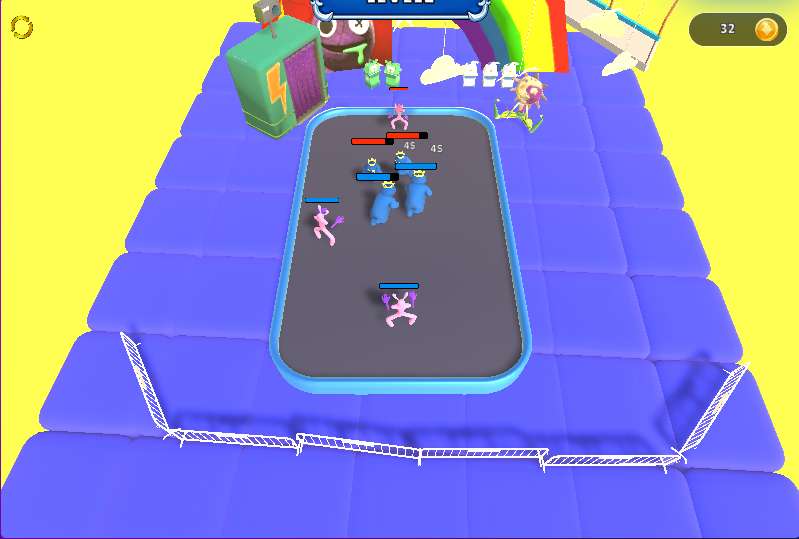
- Watch the enemy spawn pattern. Enemies often come from predictable directions. Place your stronger fighters where the biggest threats appear.
- Use the merge delay to your advantage. When you see two identical fighters, don't click immediately. Wait until you have a spare moment between waves.
- Keep one or two weak fighters near your strong ones. They act as buffers and give your heavy hitters time to attack.
- Prioritize merging fighters that are already damaged. A half-health fighter is less useful than a fresh one, so combining them early can be a smart trade.
Who Actually Enjoys This Game?
Merge Rainbow Fighting is not a deep strategy game. It's a quick, colorful time-filler that rewards pattern recognition and a bit of patience. If you enjoy games like Suika Game or casual merge puzzles where you can zone out but still feel smart when things click, this will scratch that itch. The battles are short, the feedback is immediate, and the rainbow progression gives a satisfying sense of growth.
That said, it can feel repetitive after a while. The core loop doesn't change much, and experienced puzzle players might wish for more variety in enemy behavior or board layouts. But for a browser game you can play in five-minute bursts, it does exactly what it sets out to do.