
















What Kind of Game Is This, Really?
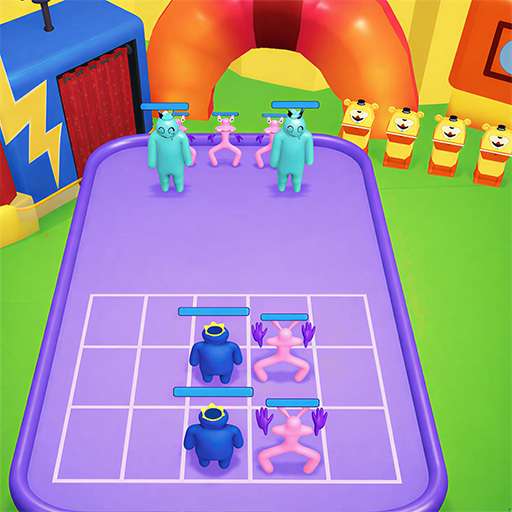
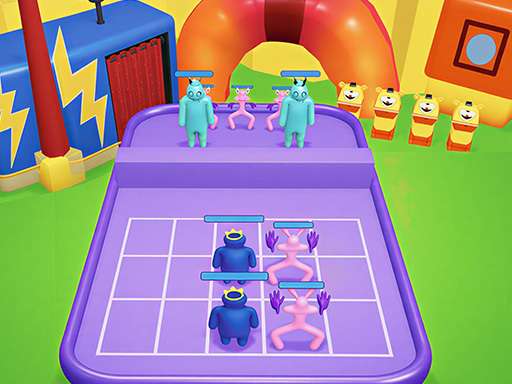
Merge Rainbow Fighting doesn't waste time explaining itself. You drop into a bright, busy battlefield where tiny fighters run around, and your main job is to merge them into stronger versions. Click two of the same character, and they combine into a tougher, flashier one. Rinse and repeat. The twist? Enemies keep coming, so you're not just merging for fun—you're merging to survive.
The game sits somewhere between a classic merge puzzle and a lightweight tower defense. It's not a thinking-man's strategy game, but it's not a mindless clicker either. You have to decide which fighters to merge and when, especially when the screen gets crowded.
Merging Under Pressure
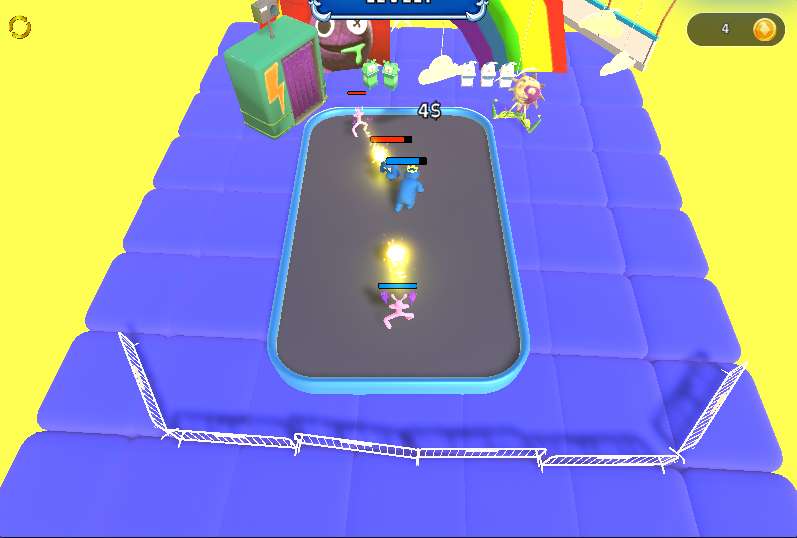
The core loop is simple: merge identical units to power them up, then watch them fight. But the real challenge comes from the pacing. New enemies spawn regularly, and if you spend too long deciding which pair to combine, you might get overrun. This keeps the action tense, even if the individual battles are mostly automated.
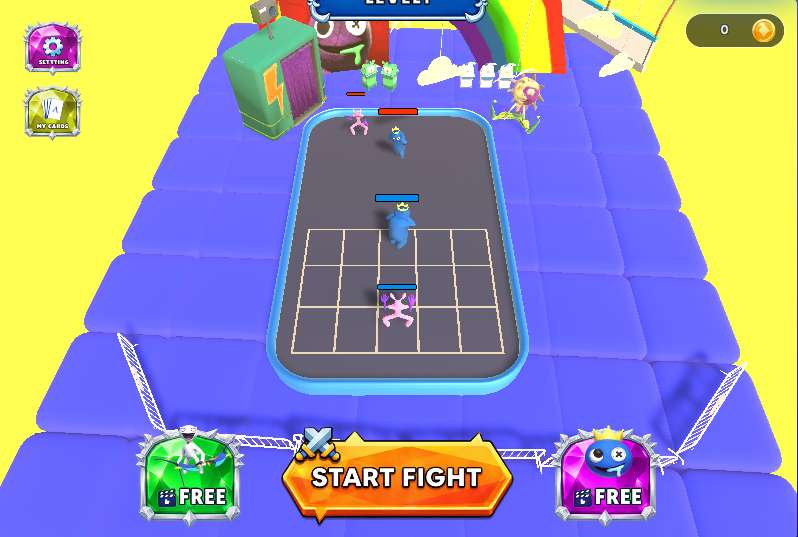
There's a satisfying rhythm to it. You drag one character onto another, they fuse into a bigger, angrier version, and suddenly your frontline holds. But it's also easy to fall into a pattern where you're just doing the same merge cycle over and over. The game doesn't throw many curveballs—fewer enemy types and map variations than you might hope for.
Visual and Audio: Loud and Proud
The art style is deliberately cartoonish and loud. Characters are chunky, brightly colored, and explode into little sparkles when merged. The background is a simple arena, but it gets cluttered fast. That's part of the charm, honestly. It feels like someone spilled a box of neon candy and told it to fight.
Sound effects are punchy but repetitive. After ten minutes, the merge and attack sounds blur together. There's no music to speak of, just ambient battle noise. It works, but it won't stick in your head.
Who Should Play This?
If you have five minutes and want a quick dopamine hit of merging and watching little guys fight, this is a solid pick. It's perfect for casual sessions where you don't want to read instructions or learn complex systems. But if you're looking for evolving mechanics, deep strategy, or a story, you'll run out of steam fast.
The game also works well for younger players or anyone who enjoys satisfying click-and-drag interactions without harsh penalties for losing. There's no real fail state—you just restart and try again. That keeps the frustration low but also lowers the stakes.
Where It Stumbles
Repetition is the main issue. After the first dozen rounds, you've seen most of what the game has to offer. New units appear, but they feel like scaled-up versions of the same idea. The battlefield doesn't change much, and enemy patterns become predictable.
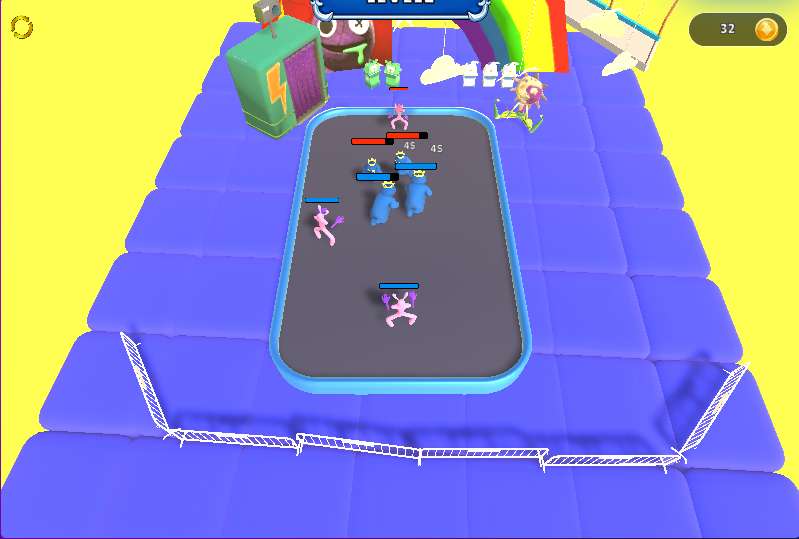
There's also a slight lag issue when too many characters are on screen at once. It's not game-breaking, but it breaks the flow during busier moments. A bit of optimization would go a long way.
Final Thoughts Without the Fanfare
Merge Rainbow Fighting is a decent time-killer with a colorful hook and a simple, satisfying gameplay loop. It's not trying to be the next great puzzle epic—it's just a fun, fast merge game that knows what it is. That's fine. Not every game needs to change your life. Sometimes you just want to click two identical wizards and watch them become one bigger wizard.
If that sounds like your kind of break, give it a try. Just don't expect it to hold your attention for hours.