

















Understanding the Core Mechanics
Wizzard Adventure is built on straightforward inputs: arrow keys for movement and the spacebar to jump. The simplicity is deceptive. Success depends on timing and reading the environment ahead of you. The wizard moves with a light, floaty momentum that takes a moment to get used to—pressing jump just as you leave a ledge gives you the most distance.
Spellcasting is automatic and context-sensitive. Your wizard will fire projectiles at enemies when they are in range and in front of you. You don't have a manual attack button, which means positioning is your primary offensive tool. Stay at a safe distance and let your magic do the work.
Reading the Environment and Hazards
The game's challenge comes from its traps and platforming. Spikes, moving platforms, and sudden drops are common. The key is to slow down. Many early failures happen because players rush into a new screen. Take a second to scan. Look for patterns in moving obstacles—they're almost always rhythmic.
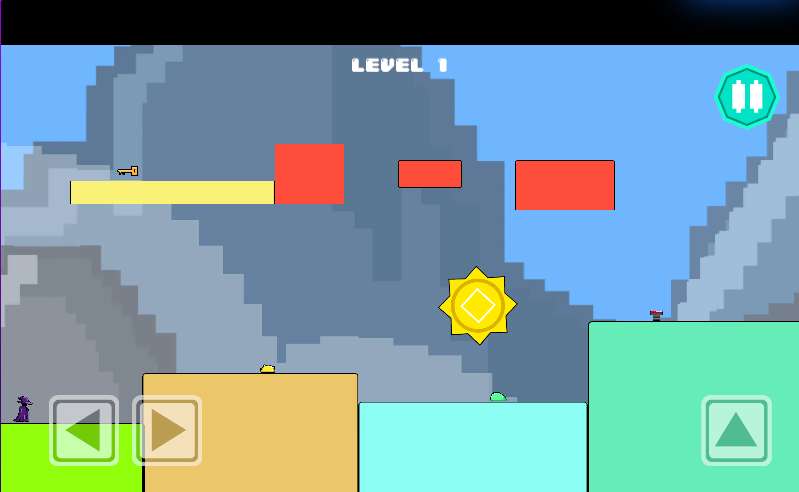
Enemies, like floating eyes or bouncing slimes, have predictable patrols. Lure them into a position where your auto-cast can hit them without putting you in danger. Sometimes, it's smarter to jump over a minor enemy than to engage.
A Practical Tip for New Players
If you're struggling with a section, try this: complete it once without collecting any of the floating gems. Your only goal is to reach the exit. This removes the pressure of grabbing collectibles and lets you focus purely on the platforming and enemy patterns. Once you've navigated the layout cleanly, replay it to pick up the gems you missed.
Where the Magic Holds (and Where It Fades)
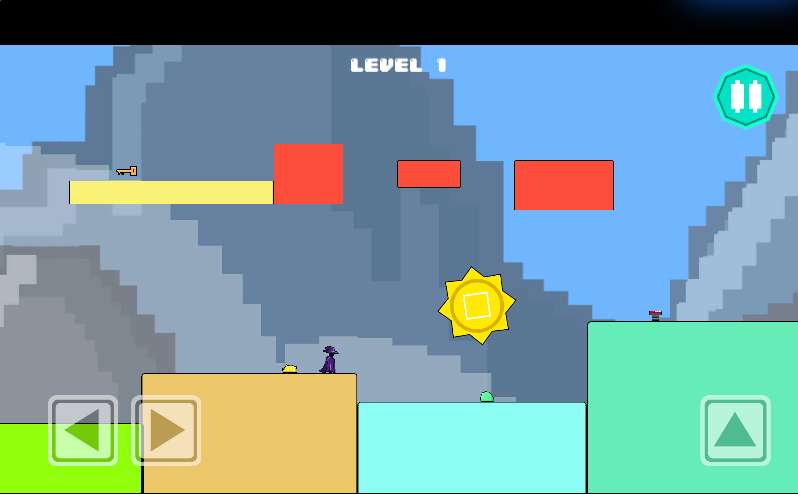
From an editorial perspective, Wizzard Adventure's strongest suit is its immediate, pick-up-and-play charm. The visual style is cohesive, and the first few levels do a great job of teaching the rules. It's perfect for a short, satisfying gaming session in your browser.
The potential drawback is the core loop. After a while, you've seen most of what the game has to offer in terms of mechanics. The "ever-changing landscapes" are more aesthetic than transformative. Players seeking deep progression or complex combat might find it repetitive. However, for someone who enjoys a relaxed, skill-based platformer with a consistent theme, it delivers exactly what it promises.
Extending Your Play Session
To get the most out of the game, set personal challenges. Try to finish a world without taking damage, or collect every gem in a level on your first attempt. Since the controls are simple, mastering them to pull off precise jumps and clean enemy clears is where the real satisfaction lies. The game doesn't have a scoring system, so creating your own goals can add a lot of longevity.

Pay attention to the background art in later levels—the developers put effort into making each area visually distinct, even if the gameplay fundamentals remain the same. Sometimes, taking a moment to appreciate the scenery is part of the adventure.
One Quick Tip
New players usually do better when they slow down a little and pay attention to repeating patterns instead of reacting too quickly.