


















How Arrow Escape Puzzle Works
The premise is clean: a board contains several colored arrows. Each arrow points in a fixed direction—up, down, left, or right. Your goal is to tap arrows in a specific sequence to remove them all. The catch? If the path of one moving arrow touches another arrow that hasn't been removed yet, it's a collision and you fail the level.
It's a pure test of foresight. You can't change an arrow's direction, only decide when to activate it. The challenge comes from visualizing the trajectories and finding the one safe order of operations.
The Core Rule: Visualize Paths, Not Just Positions
Beginners often focus on which arrow is closest to an exit. That can mislead you. The real key is to trace the full imaginary line each arrow will travel along when tapped.
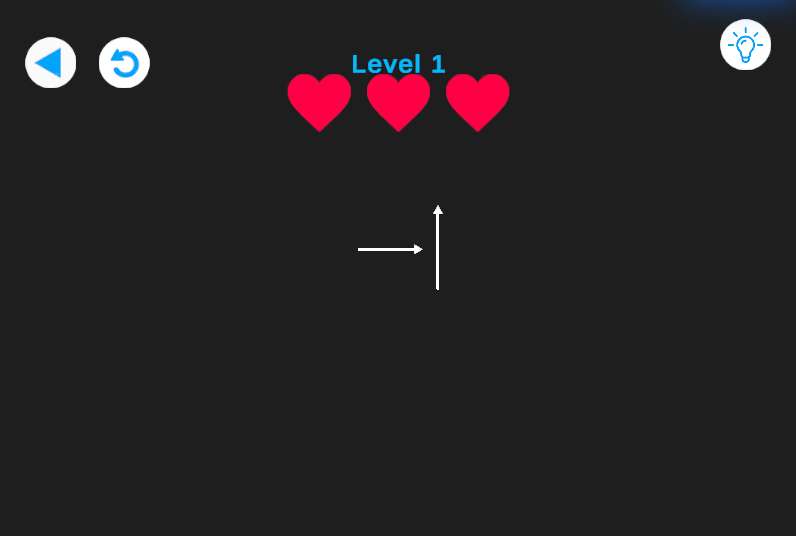
An arrow pointing right will travel horizontally across the entire row until it conceptually leaves the board. Even if another arrow is several spaces away in that same row, activating the right-pointing arrow first will cause a collision. Always mentally draw those paths before your first tap.
A Practical Solving Method
When you load a new puzzle, don't tap immediately. Follow this routine:
- Scan all directions. Identify every arrow and note its exact bearing.
- Find the isolated arrows. Look for any arrow whose path is completely unobstructed from the start. These are often your safest first moves.
- Work backwards. Sometimes it's easier to ask: "Which arrow must be the last to move?" It's usually one that would cross many paths. Identify that, then reason backward to the start.
- Use process of elimination. If you're stuck between two choices, mentally commit to one. If it leads to a dead end, you've learned something about the necessary sequence.
Common Mistakes to Avoid
The most frequent error is forgetting that arrows are "solid" until removed. Just because an arrow is at the end of another's path doesn't make it safe—it's still a collision if it's touched.
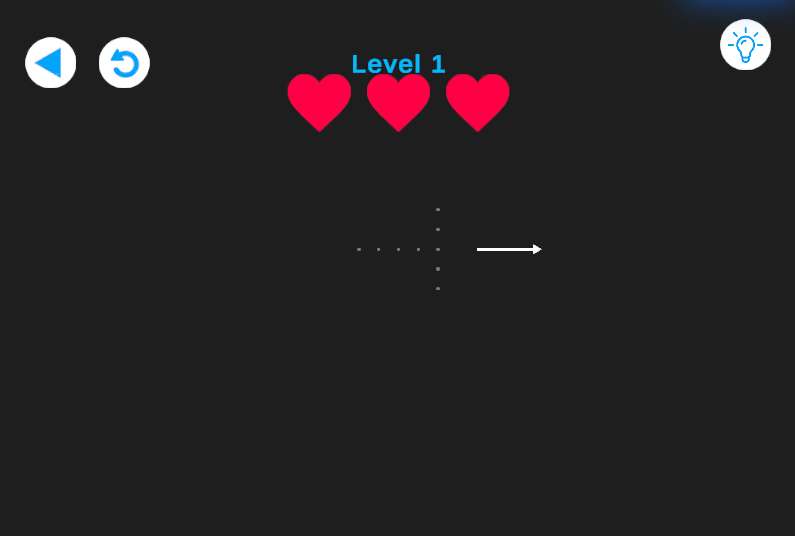
Another trap is overlooking arrows that point into a wall or another arrow immediately adjacent. These are often your blockers; you usually need to clear the arrows behind them first to free their path.
Don't rush. The game has no time limit. The penalty for a mistake is just a quick restart, so use the freedom to experiment.
Where the Game Shines and Where It Simmers
Arrow Escape Puzzle's strength is its clarity. There's no story, no power-ups, no scoring—just the logic problem. For players who enjoy untangling a pure sequence, like solving a compact traffic jam, it's quietly satisfying. The visual and audio feedback on a successful solve is crisp and rewarding.
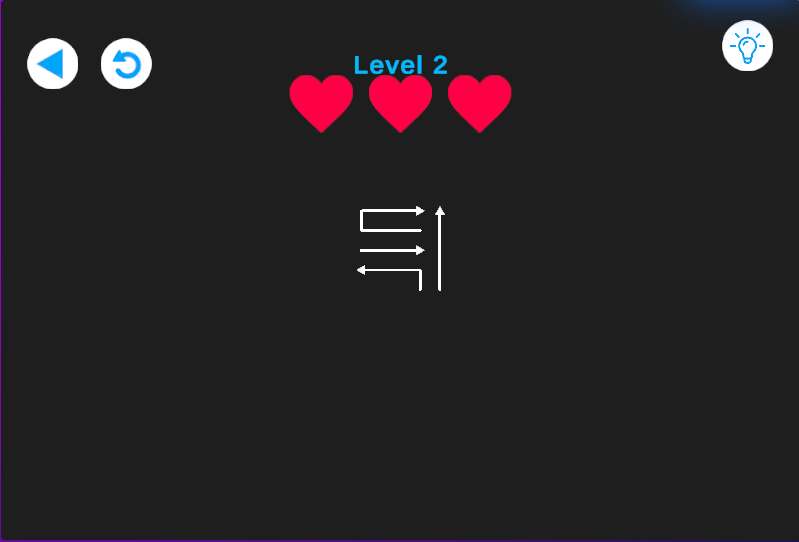
The flip side is that the core mechanic doesn't radically evolve. Later levels introduce more arrows and tighter configurations, but the fundamental challenge remains the same. This isn't a game about unlocking new abilities; it's about applying the same rule to increasingly intricate setups. If you crave constant new mechanics, you might find it repetitive. If you appreciate a focused, meditative logic exercise where getting better means sharpening your own observation, it will hold your attention for a good while.
Is This Game for You?
Think of it as a digital logic puzzle book. It's perfect for short sessions or as a mental warm-up. The difficulty curve is gentle but steady. It demands patience and a methodical mind more than quick reflexes.
If you like games where the only opponent is your own planning, and where success feels like neatly solving an equation, you'll likely enjoy Arrow Escape Puzzle. Keep your approach systematic, and you'll find that extracting each arrow cleanly provides a consistent, understated sense of accomplishment.