
















Don't Let the Cartoon Ants Fool You
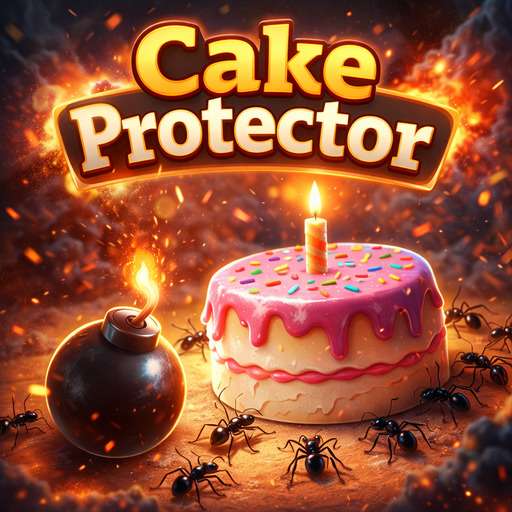
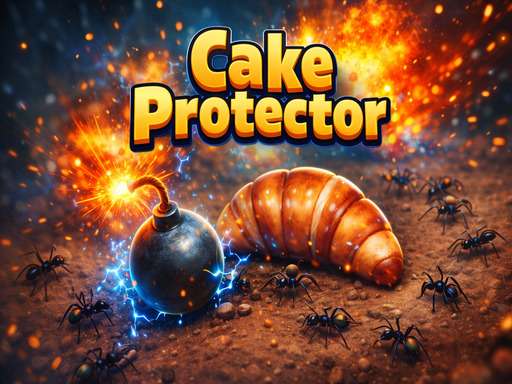
Cake Protector looks like a game designed for a quick sugar rush. Bright colors, a single slice of cake sitting in the middle of the screen, and tiny ants marching toward it. It feels like a mobile game you'd tap once and forget. But the ants don't forget. They keep coming, faster and in greater numbers, and before long, that cute little cake becomes the most stressed-out pastry on the internet.
How Playing Actually Works
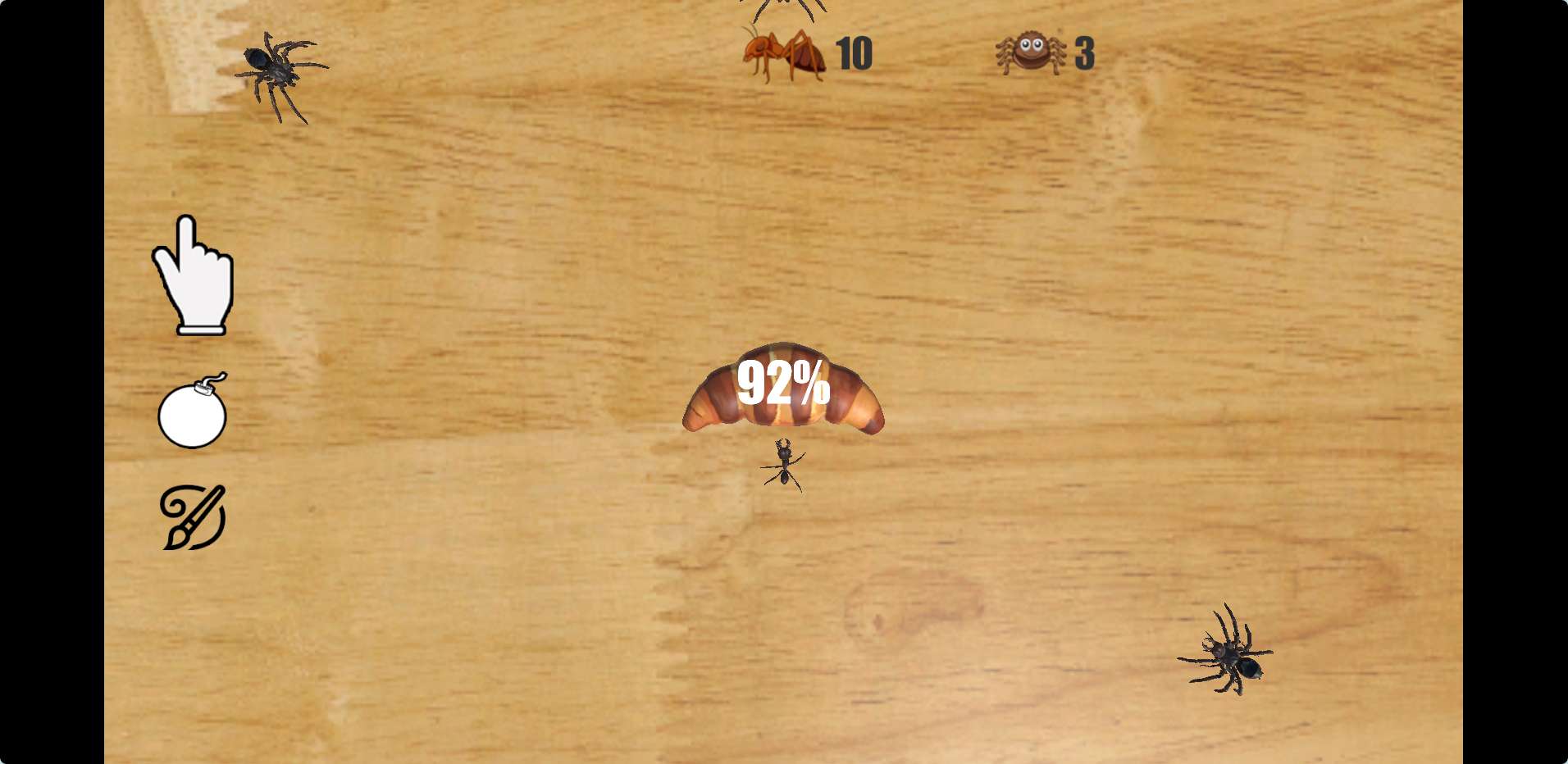
You control the action by clicking and dragging the mouse. That's it. You place barriers, set traps, and redirect the ant paths by drawing lines on the screen. The ants follow predictable routes at first, but the game introduces new ant types that fly, jump, or take shortcuts. You'll need to adjust your strategy on the fly, sometimes within seconds.
The controls are responsive and intuitive. There's no tutorial that overstays its welcome. You drag, you place, and you watch the ants hit your traps. It's satisfying in a way that feels almost primal—setting up a perfect chain of obstacles and watching the ants bounce off them.
The Difficulty Curve Is the Real Cake
The early levels feel like a warm-up. You'll laugh at how slowly the ants move. But around level five or six, the pace picks up noticeably. Ants start arriving in waves, and the gaps between waves shrink. You'll find yourself dragging barriers in a panic, realizing you didn't plan for the flying ants that skip over your ground traps.
This is where the game reveals its real strength. It's not about perfect planning. It's about quick thinking and adapting to chaos. The game doesn't punish you for making mistakes—it just sends more ants. That keeps the pressure on without feeling unfair.
What Stands Out (and What Doesn't)
Cake Protector has a clear identity. It's not trying to be a deep, strategic tower defense game. It's a fast, reaction-based puzzle that rewards speed over deliberation. That makes it a good fit for short sessions. You can play a few levels during a coffee break and feel like you accomplished something.
That said, the game can feel repetitive after a while. The core mechanic doesn't change much. You're always placing the same types of barriers and traps, just against more ants. There's no upgrade system, no new abilities to unlock, no story to follow. The variety comes from the ant types and level layouts, but if you're looking for deep progression, this isn't it.
It's also worth noting that the game doesn't save your progress automatically on some browser setups. That's a small annoyance, but it matters if you plan to play across multiple sessions.
Who Should Play This?
This game is ideal for players who enjoy quick, reflex-based challenges without commitment. If you like tower defense games but find some of them too slow or complicated, Cake Protector strips away the complexity and keeps the tension. It's also a good pick for younger players, since the visuals are friendly and the controls are simple.
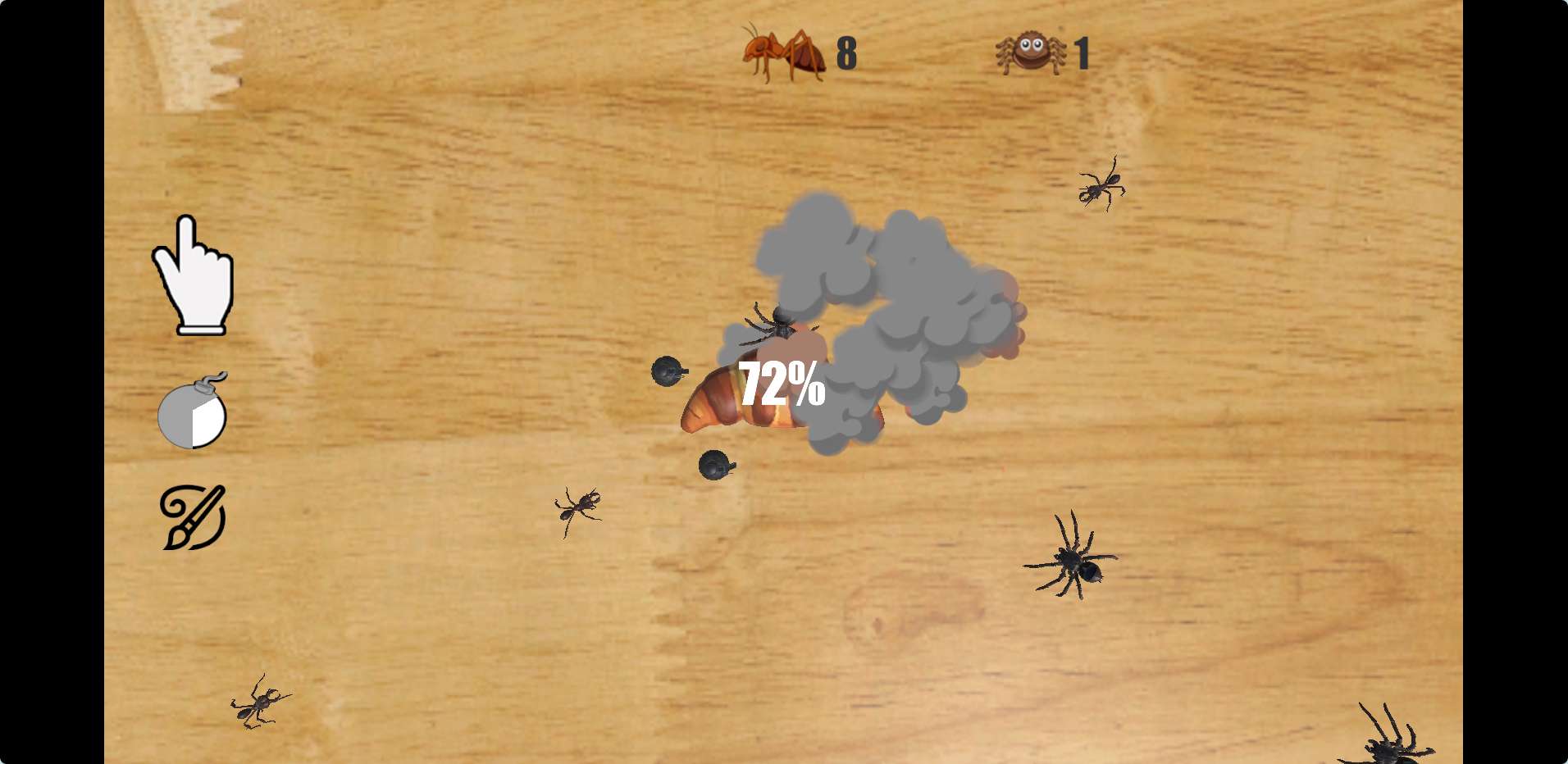
If you're the kind of player who loves optimizing builds and planning ten moves ahead, you might feel a bit limited here. The game doesn't give you many tools to work with. It's more about how fast you can react than how cleverly you can plan.
Final Thoughts on This Little Dessert Defender
Cake Protector does what it sets out to do. It's a light, addictive tower defense game that respects your time and doesn't overcomplicate things. The ants are relentless, the cake is always in danger, and the controls are smooth. It won't change your life, but it might steal a few hours of it without you noticing.
If you have a sweet tooth for simple action games and don't mind a bit of repetition, give it a try. Just don't blame me when you start seeing ants in your peripheral vision.