
















What Is Cake Protector, Exactly?
Cake Protector is a tower defense game with a single, simple goal: keep ants away from a slice of cake. The ants come from the edges of the screen, marching toward the cake in straight or slightly wandering lines. You place traps in their path to stop them. That’s the loop. It sounds straightforward, and it is, but the trick is that the ants get faster and more numerous as you go. You don’t have endless resources either, so every trap placement matters.
The game is played entirely by clicking and dragging. You drag traps onto the playfield. That’s it. No unit upgrades, no mana bars, no lane switching. Just you, the cake, and the ants.
How Traps Actually Work
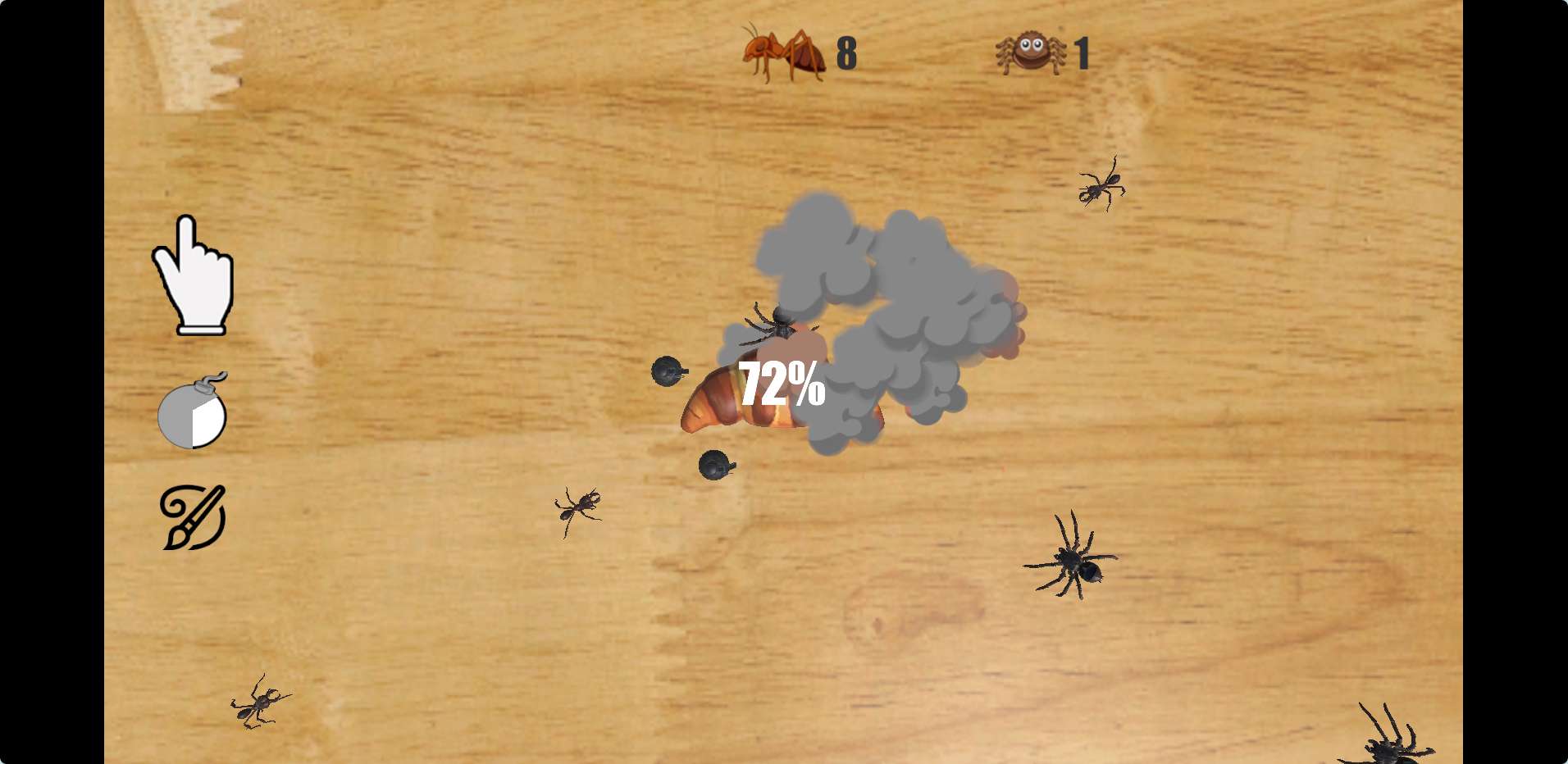
There are a few different trap types, and they aren’t all equally useful in every situation. The basic sticky trap slows ants down for a few seconds. It’s cheap, and you’ll use it a lot early on. The spike trap kills ants instantly, but it costs more and has a cooldown before it can be used again. Then there’s the fan trap, which pushes ants back a short distance. It sounds good, but in practice, it only delays them. The bomb trap clears a small area, but it’s expensive and easy to waste if you misplace it.
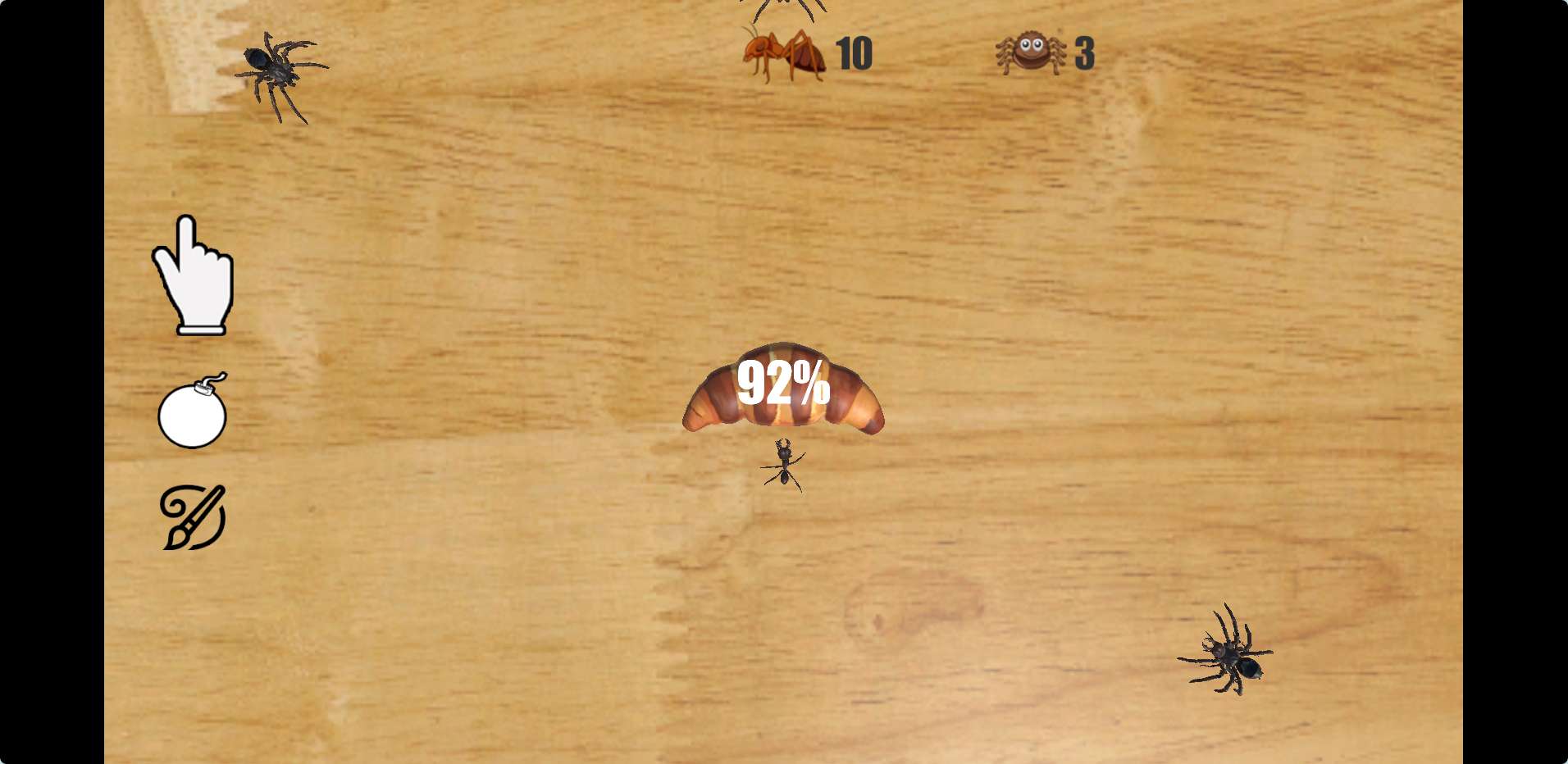
New players often spam one trap type. That works for the first few waves, but later on, mixing sticky and spike traps is much more efficient. Sticky traps slow the ants down so your spike traps have time to reset. Without that combo, you’ll eventually get overwhelmed.
The Ants Don’t Play Fair (And That’s Fine)
One thing that stands out about Cake Protector is how the ant behavior changes. Early waves are predictable. Ants come from the same directions, at the same speed. Around wave 10 or so, they start coming in clusters from multiple sides. By wave 20, some ants move faster than others, and a few seem to ignore certain traps entirely. It’s not random luck—it’s designed to force you to adapt your placement.
This is where the game feels less like a casual idle thing and more like a real puzzle. You can’t just place traps in a ring around the cake and call it done. You need to funnel ants into kill zones. A common mistake is placing traps too close to the cake. By the time an ant reaches that point, it’s already too late if your trap fails. Put your spike traps farther out, where you have more time to react.
Common Mistakes New Players Make
The biggest one is over-investing in bomb traps early. They feel powerful, but they have a long cooldown and a small blast radius. You’re better off buying three sticky traps for the same cost. Another mistake is ignoring the edges. Ants that come from the top or bottom corners often slip past if you only guard the center. Spread your traps evenly, at least in the first few rows of each approach path.
Also, don’t forget that you can remove and replace traps. If a trap is in a bad spot, drag it somewhere else. There’s no penalty for moving things around. Use that flexibility.
Who Should Play Cake Protector?
This is a good pick for anyone who likes tower defense but wants something quicker than a full campaign game. Sessions are short. You can play for five minutes and feel like you accomplished something. It’s also forgiving—you can restart a wave instantly if you mess up. The repetition might wear on some players after 30 or 40 waves, but that’s also the point. It’s a game you play in bursts, not for hours on end.
If you’ve played games like Ant Buster or Bee Defender, Cake Protector will feel familiar, but the trap variety here gives it a slightly different rhythm. It’s worth a try if you’re in the mood for something low-stakes but not brainless.