















What Exactly Is Word Ladder?
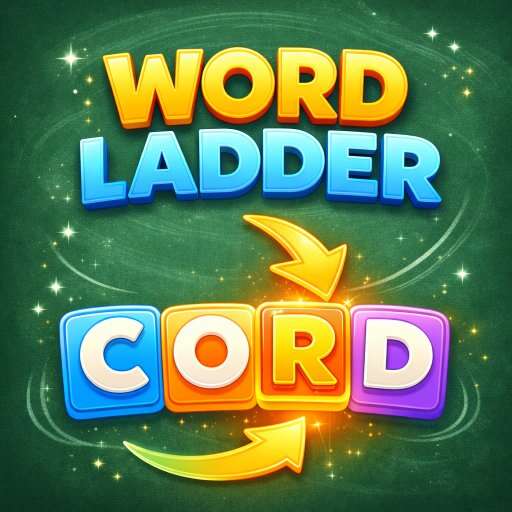
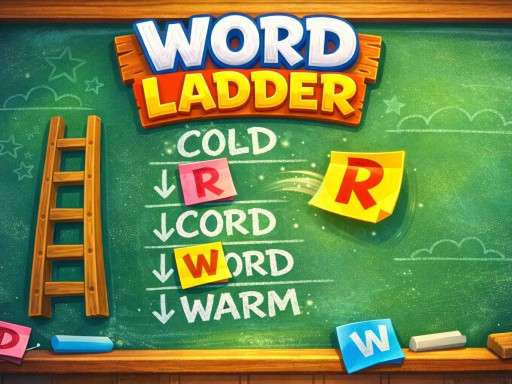
Word Ladder is a straightforward browser puzzle where you start with one word and try to reach another by changing a single letter per step. Each intermediate word must be a real English word. It's not a new concept—the format has been around in puzzle books for decades—but this digital version strips away distractions and lets you focus on the logic.
The Core Loop Is Deceptively Simple
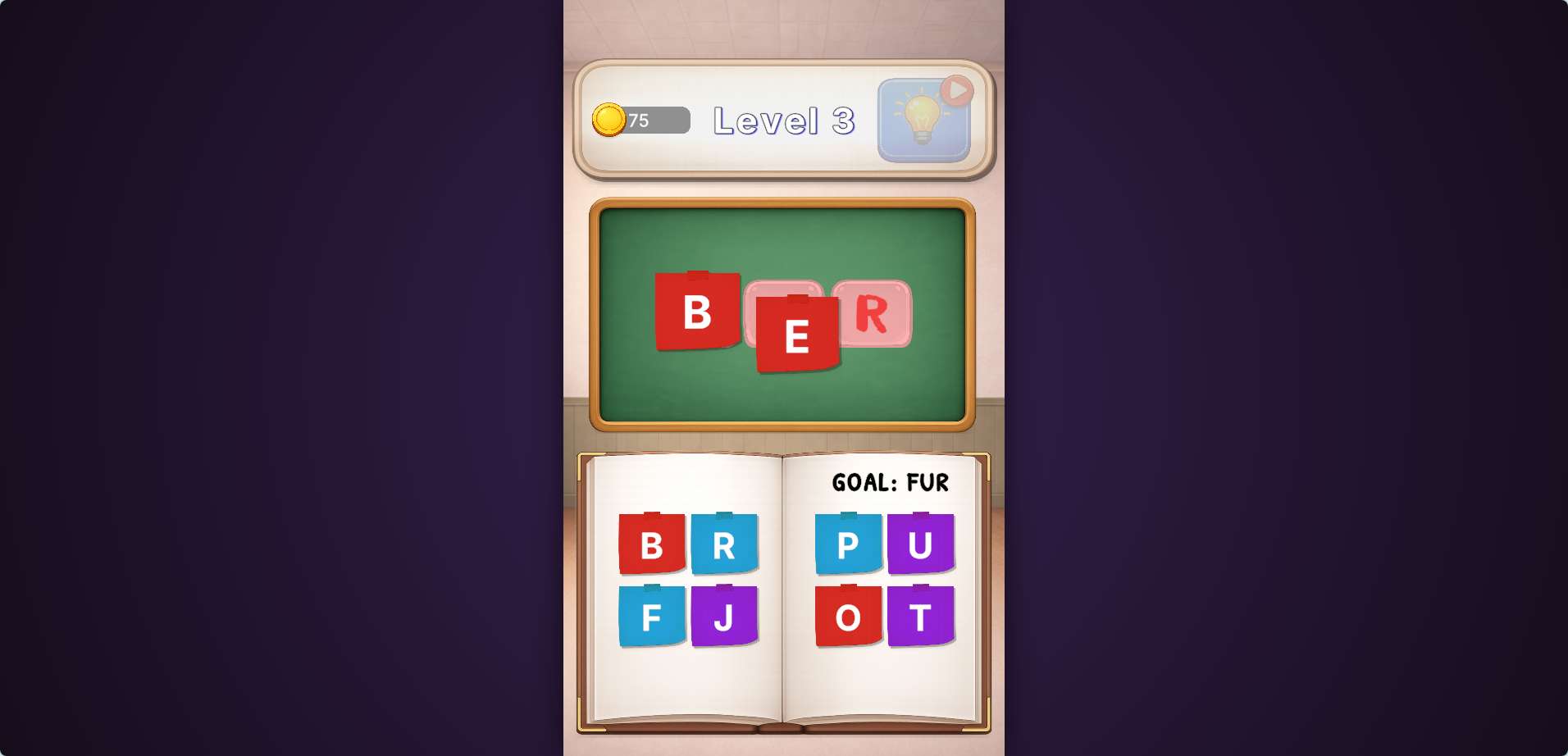
You're given a start word and a target word. You click on a letter slot, type a new letter, and if the resulting word is valid, the ladder grows by one rung. The game tracks how many steps you took, and the goal is to finish in as few moves as possible. Shorter solutions earn better ratings.
That's it. No timers. No power-ups. No ads screaming at you after every move. It's refreshingly quiet.
But don't let the simplicity fool you. Some ladders are trivial—'cat' to 'dog' can be solved in three steps if you know the right intermediates. Others, like 'cold' to 'warm', can make you stare at the screen for a solid minute wondering if you've hit a dead end.
Difficulty Curve and Pacing
The game starts with short, common words and gradually introduces longer ones and less obvious connections. Early puzzles feel almost too easy, but around the fifth or sixth ladder, you'll start hitting walls. The game doesn't handhold you—if you get stuck, you can skip, but skipping costs you a perfect score.
This is where Word Ladder shines for players who enjoy mental friction. It's not about speed; it's about holding multiple possible paths in your head and testing them one by one. If you brute-force by guessing randomly, you'll run out of valid words fast.
What Stands Out (and What Doesn't)
What I like most is the lack of clutter. So many browser word games try to wrap themselves in themes, stories, or cosmetic rewards. Word Ladder just gives you the puzzle and trusts that you find it interesting.
On the flip side, the game can feel repetitive after a while. The visual feedback is minimal—words appear, you click, they change. There's no animation, no sound cue for a correct guess, no celebration when you finish a ladder. If you need regular dopamine hits to stay engaged, this might feel dry.
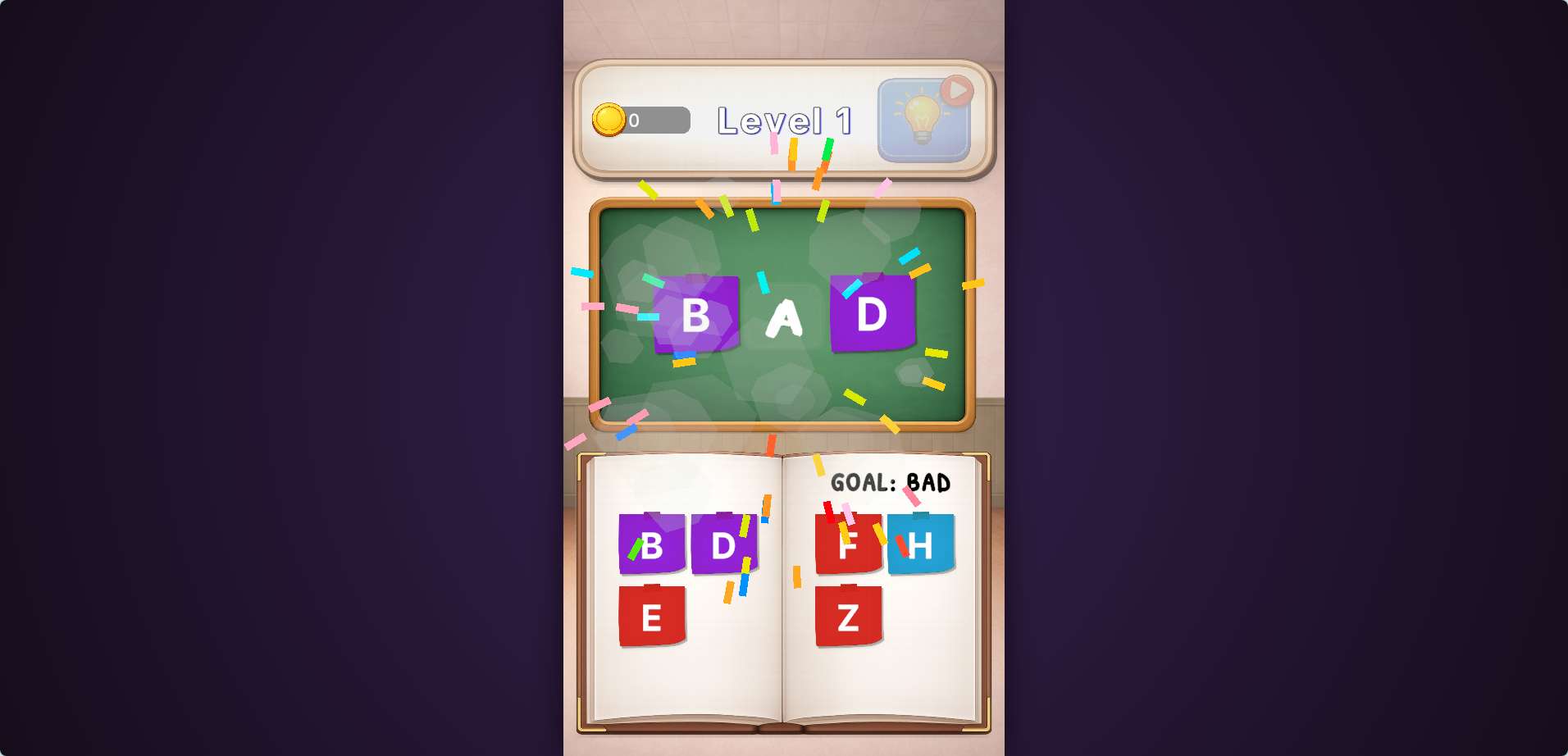
Also, the word list is somewhat limited. Occasionally you'll guess a perfectly valid word that the game rejects, which can be frustrating. It's not a huge issue, but purists will notice.
Who Should Play This?
Word Ladder is ideal for people who like crossword puzzles, anagrams, or any game where language and logic intersect. It's also good for short bursts—you can finish a ladder in under two minutes once you get the hang of it. If you prefer action, narrative, or visual spectacle, this won't hold your attention.
For a free browser game, it delivers exactly what it promises: clean, thoughtful wordplay with no strings attached. Not every puzzle needs to be a spectacle.
Final Thoughts
Word Ladder works best as a quick, low-pressure browser game. It may not hold everyone for long sessions, but it does a solid job at delivering a simple and accessible play experience.