
















What This Game Actually Is
Sudoku Puzzle is exactly what it sounds like—a straightforward, no-frills browser version of the classic number puzzle. You get a 9x9 grid, some cells already filled in, and your job is to place the numbers 1 through 9 so that each row, column, and 3x3 region contains each digit exactly once. There are no power-ups, no timers shouting at you, and no distracting animations. It’s just you and the grid.
That might sound plain, but for a lot of people, that’s the appeal. The game doesn’t try to be anything else. You click a cell, pick a number from the panel, and fill it in. If you make a mistake, the game usually highlights it or simply won’t let you place a wrong number, depending on the exact version. The focus stays on logic and patience.
Getting Started Without Feeling Lost
If you’ve never played Sudoku before, the grid can look intimidating. But the rules are simpler than they seem. Start by scanning the grid for rows, columns, or boxes that already have several numbers filled in. For example, if a row has seven numbers already placed, you only need to figure out the missing two. That’s low-hanging fruit. Fill those first, and the rest of the puzzle starts to open up.
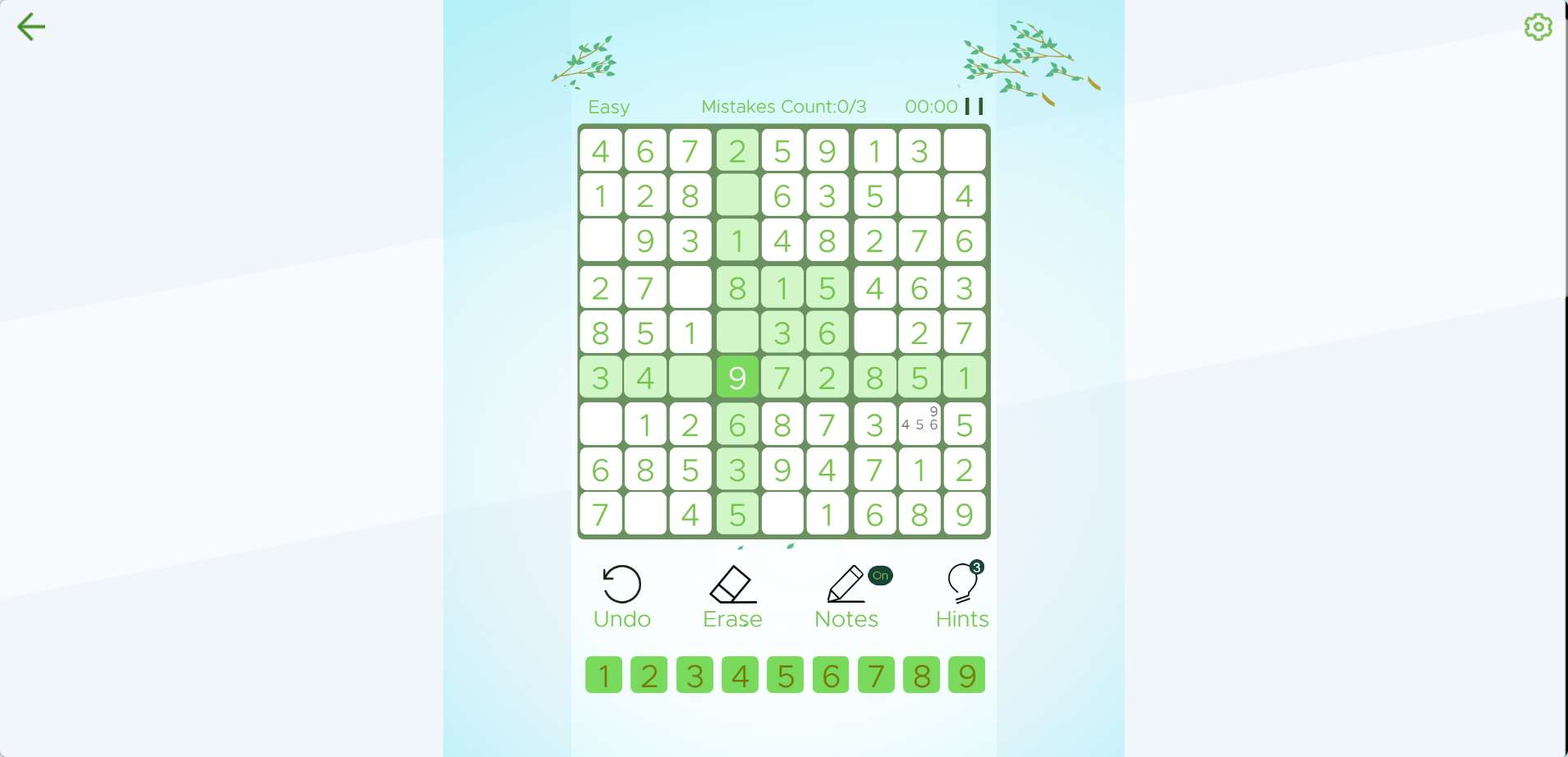
Most versions of this game let you tap or click to select a cell, then choose a number. Some also let you pencil in small candidate numbers as notes. Use that feature if it’s available. It helps you keep track of what might go where without committing too early.
Common Mistakes New Players Make
The biggest trap is guessing. When you’re stuck, it’s tempting to just drop a number in and see if it works. In Sudoku, that usually leads to a headache later when you realize two 5s ended up in the same column. Instead, take a breath and look for a cell where only one number can possibly fit. That’s called a “naked single,” and it’s the safest move in the game.
Another common slip-up is ignoring one of the three constraints. You might check rows and columns but forget about the 3x3 box. Or you might focus so hard on one area that you miss an obvious placement in another. Train yourself to glance at all three sections before placing anything.
Practical Tips for Solving Faster
Once you have the basics down, speed comes from pattern recognition. Here are a few things to look for:
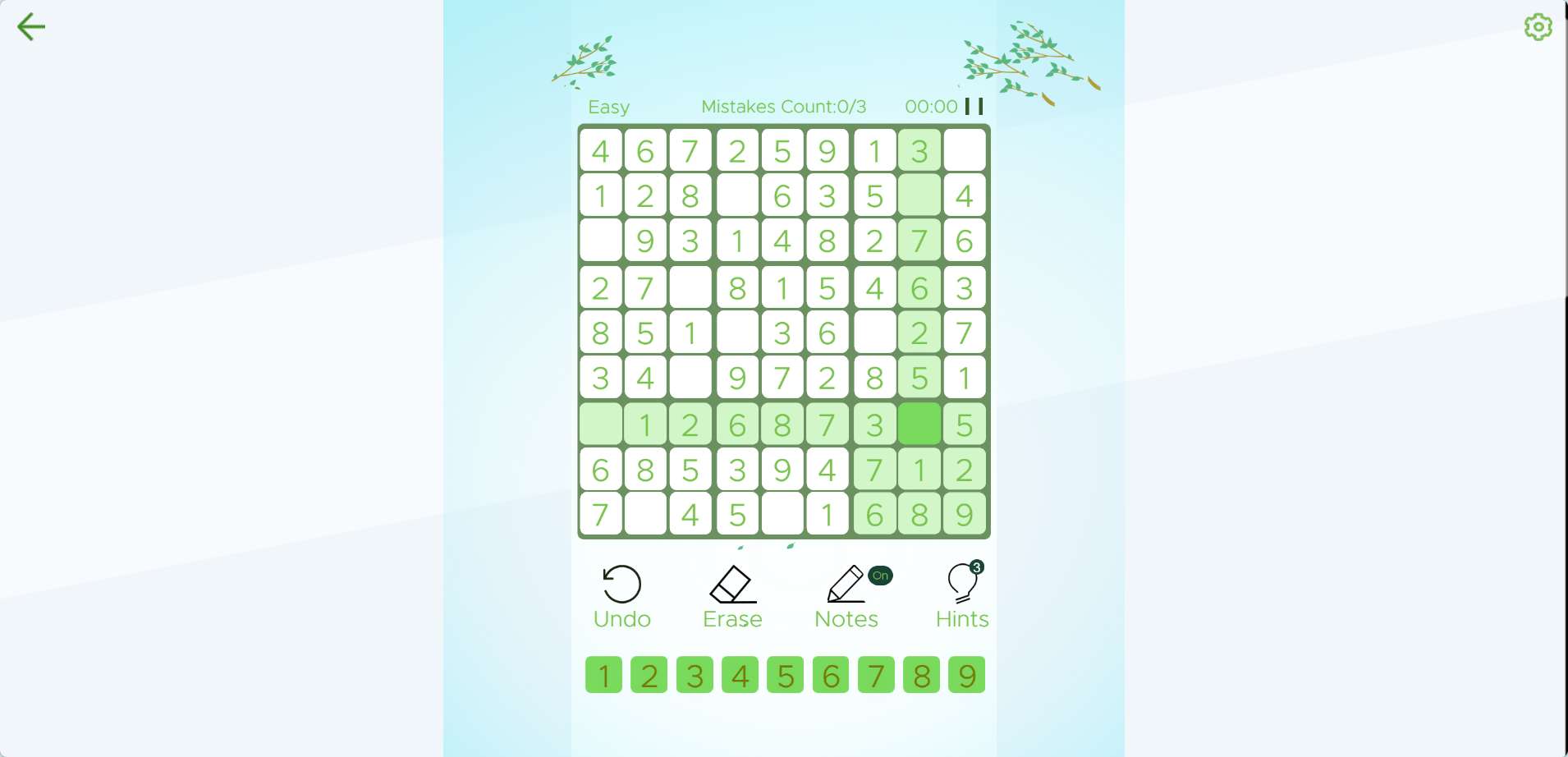
- Hidden singles: When a number can only go in one cell within a row, column, or box, even if other candidates are still possible there. This takes a bit more scanning but pays off.
- Cross-hatching: Pick a number (say, 3) and look at all the rows and columns where it already appears. This narrows down where it can go in each box.
- Candidate elimination: If you pencil in notes, watch for pairs. If two cells in a row both only have the same two candidates, those numbers can’t go anywhere else in that row. That can unlock other cells.
None of these techniques are fancy, but they’re the same ones used by people who solve hard puzzles in under ten minutes. Practice them one at a time.
An Editor’s Take: What Stands Out (and What Doesn’t)
What I appreciate about Sudoku Puzzle is that it doesn’t pretend to be more than a clean implementation. There’s no story, no rewards for streaks, no daily login bonuses. It’s just puzzle after puzzle. That honesty is refreshing, especially when so many browser games try to hook you with busywork. But it also means the game relies entirely on whether you like Sudoku. If you do, you’ll happily burn through dozens of grids. If you don’t, nothing here will change your mind.
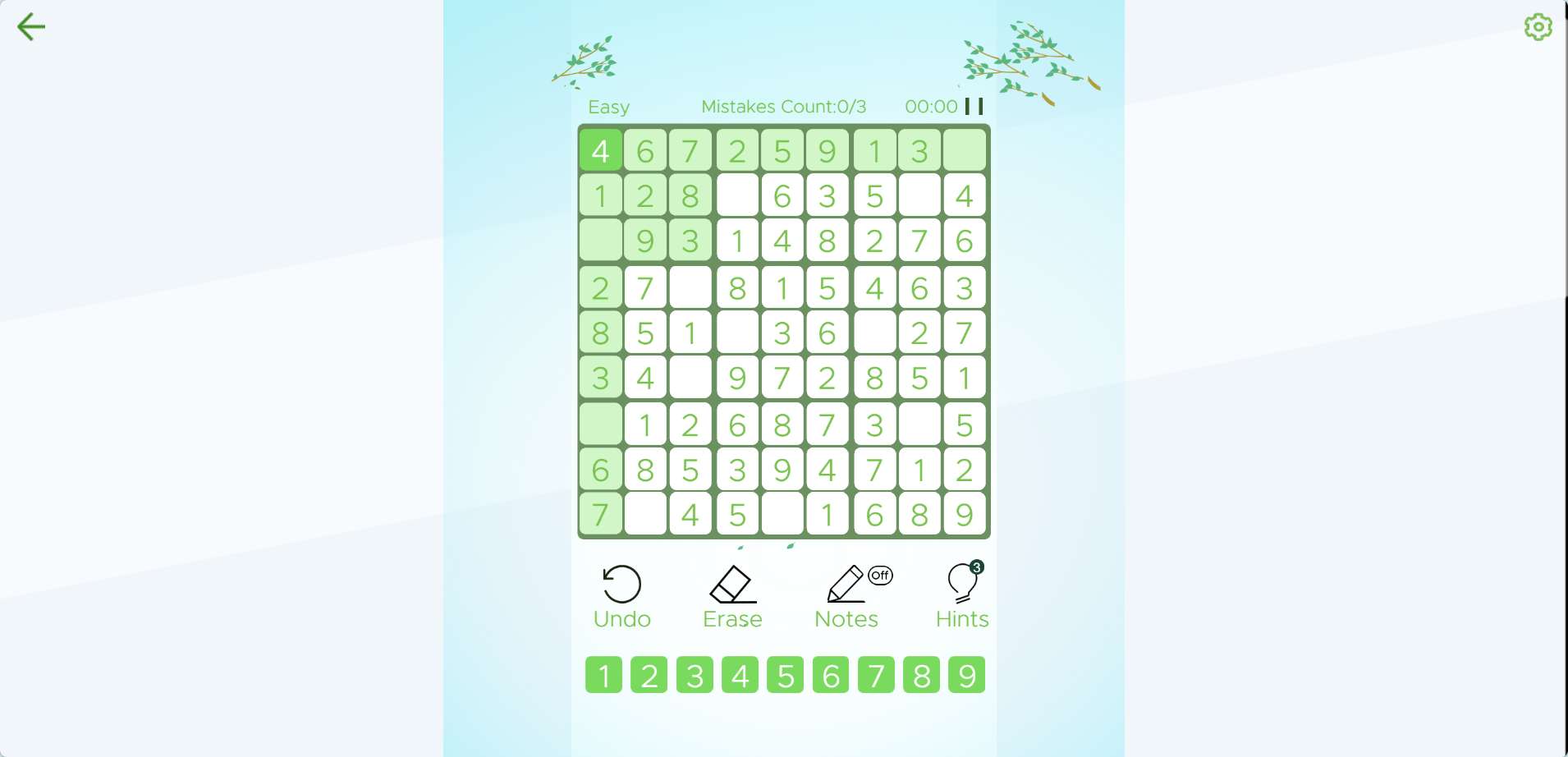
The repetition is real. After a while, the puzzles start to feel similar—especially if the difficulty level doesn’t ramp up much. That’s fine for a quick mental break, but don’t expect endless variety. Think of it more like a digital version of the newspaper puzzle page. You play a round, finish it, and move on.
Who Should Play This
This game is for anyone who wants a quiet, logical challenge without any fluff. It works well for short sessions—waiting for a bus, winding down before bed, or taking a break from work. If you’re new to Sudoku, start on easy mode and work your way up. If you’re experienced, jump straight to hard and see how cleanly you can solve. Either way, it’s a solid choice if you’re in the mood to think without being rushed.