

















What Is Spider Escape, Really?
Spider Escape is one of those browser games that doesn't waste time explaining itself. You control a spider trying to survive a series of traps and obstacles. It's fast, it's simple, and it's the kind of game you can jump into without reading a manual. But there's more to it than just clicking randomly. The game rewards quick thinking and pattern recognition, even if the presentation stays minimal.
The core loop is straightforward: avoid the bad stuff, stay alive as long as you can. But the traps don't just appear in the same order every time, so you actually have to pay attention. That's where the puzzle element sneaks in.
Controls and How They Work
You play entirely with the mouse. Click buttons on screen to move your spider or trigger actions. There's no keyboard input, no complex combos. Just click, move, survive.
One thing that might trip you up at first: the response time matters. The game doesn't wait for you to think. If you hesitate, you'll get hit. New players often click too late because they're waiting for the perfect moment. In Spider Escape, the perfect moment is usually right now.
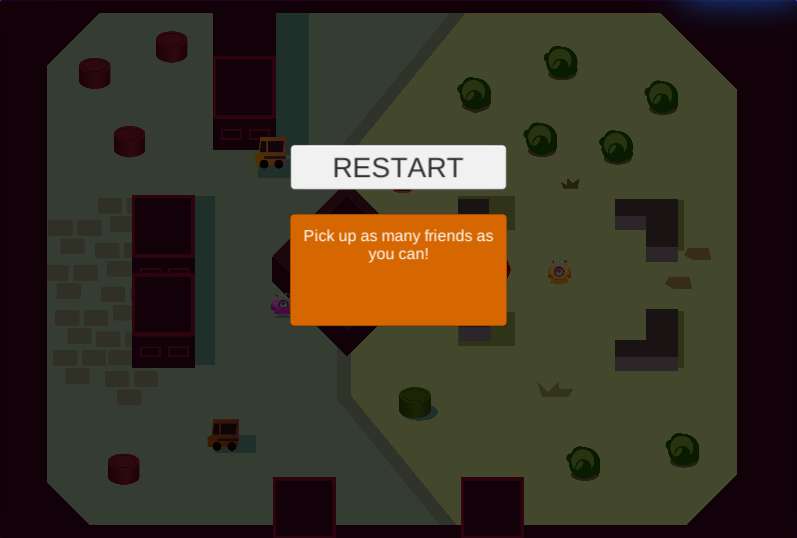
Don't overthink the controls. Click the button that looks safest, and be ready to click again immediately.
Common Traps and How to Spot Them
Traps come in a few basic flavors: falling objects, moving barriers, and sudden drops. Each has a tell. Falling objects usually have a shadow or a slight shake before they drop. Moving barriers follow a predictable path for a few seconds before changing direction. Drops appear as gaps that weren't there a moment before.
The trick is to watch the edges of the screen. A lot of traps enter from off-screen, so your peripheral vision matters. If something seems off, it probably is. Don't wait for confirmation.

Also, don't get comfortable. The game likes to throw a fast trap right after a slow one. Just when you think you've figured out the rhythm, it speeds up or reverses a pattern. That's not a bug; it's the whole point.
Practical Tips for Surviving Longer
Here's what actually helps, based on playing through several runs:
- Stay near the center. Corners give you fewer escape routes. The center lets you react in any direction.
- Click deliberately, not frantically. Spam-clicking often moves you into danger. A calm, precise click is faster in the long run.
- Learn to read the screen, not just react. After a few rounds, you'll start noticing that certain trap combinations repeat. Use that knowledge to pre-position yourself.
- Take a break if you hit a wall. Frustration makes your reaction time worse. Walk away for a minute, then come back fresh.
These aren't game-breaking secrets. They're just habits that separate a ten-second run from a thirty-second one.
Who Actually Enjoys This Game?
Honestly, Spider Escape isn't for everyone. It's repetitive by design. You'll see the same traps over and over, and the game doesn't add new mechanics as you progress. The challenge is purely about doing the same thing better each time.
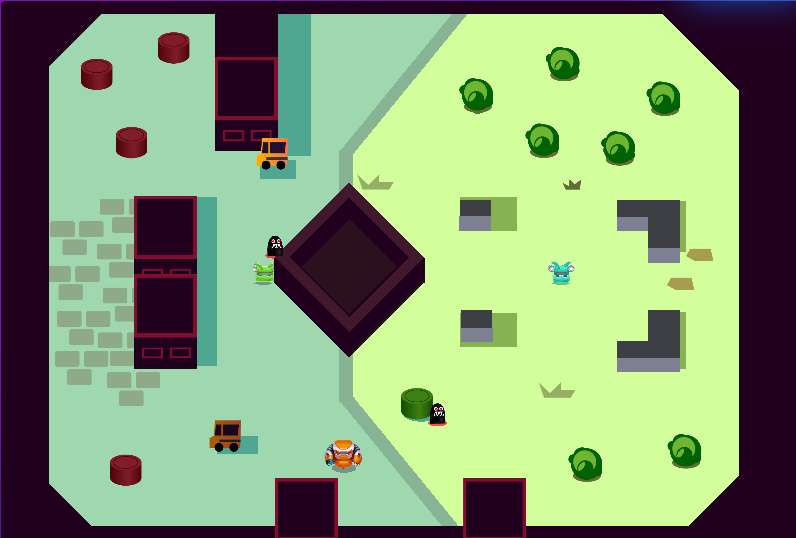
That said, if you like games where your only enemy is your own reaction time, this one scratches that itch. It's perfect for short bursts—waiting for a download, killing five minutes before a meeting, that kind of thing. It doesn't demand your life story. It just asks for your attention, right now, for a few seconds at a time.
If you're the type of player who needs narrative progression or visual variety, you'll probably bounce off it. But if you enjoy honing a small skill until you're genuinely good at it, Spider Escape delivers exactly that.
Final Thoughts Without the Fanfare
Spider Escape is a lean, focused arcade puzzle game that doesn't pretend to be anything else. It's not deep, not pretty, and not trying to change your life. But it does one thing well: it makes you pay attention. And for a browser game you can play in a tab while listening to music, that's enough.